Art, Resistance & Black Liberation

Black art has never been one movement. Across generations, Black artists have used creativity to document our history, challenge injustice, celebrate identity, and imagine new possibilities. From the early pioneers and the Harlem Renaissance to the Black Arts Movement and today's creators, this is a legacy that continues to evolve.

Home > Stories > Culture & Community > The Black Arts Movement

Why This Story Matters

Black art has always been more than expression—it has been a declaration of identity, a challenge to injustice, and a way to preserve history and build community. Across generations, artists, writers, musicians, playwrights, and visual artists have created spaces for Black voices while celebrating Black beauty, consciousness, history, and self-determination. From the early pioneers and Harlem Renaissance to the Black Arts Movement and today's creators, their work continues to shape Black culture and creative expression.

A Legacy Takes Shape

Late 1800s —

Foundations

Black artists began establishing themselves within American art despite significant barriers to education, exhibition, and professional recognition. Their work laid important foundations for generations of artists who followed.

1890s–1910s —

Early Pioneers

Artists such as Meta Warrick Fuller pushed Black sculpture and visual art into new territory, drawing on African heritage, history, spirituality, and the Black experience.

1920s–1930s —

Harlem Renaissance

A remarkable flourishing of Black creativity transformed American culture. Artists including Augusta Savage, Aaron Douglas, Richmond Barthé, and Meta Warrick Fuller created work that celebrated Black identity, challenged stereotypes, and placed Black history and experience at the center of American art.

1930s–1940s —

Art as Social Commentary

Black artists increasingly used their work to confront racism, inequality, violence, and social injustice while documenting the realities and aspirations of Black communities.

1940s–1950s —

New Directions

Black artists expanded beyond the institutions and traditions that had previously defined the American art world. New artistic communities, exhibitions, and approaches created greater space for experimentation and self-expression.

1960s–1970s —

Black Arts Movement

A new generation embraced art as a vehicle for Black liberation, cultural pride, political expression, and community empowerment. The Black Arts Movement connected artistic creation with the broader struggles for Black freedom and self-determination.

1980s–Present

Continuing the Legacy

Black artists continue to push boundaries across painting, sculpture, photography, performance, film, digital art, fashion, and other forms. Their work continues to challenge narratives, preserve history, celebrate identity, and shape global culture..

A Legacy Takes Shape

Late 1800s —

Foundations

Black artists began establishing themselves within American art despite significant barriers to education, exhibition, and professional recognition. Their work laid important foundations for generations of artists who followed.

1890s–1910s —

Early Pioneers

Artists such as Meta Warrick Fuller pushed Black sculpture and visual art into new territory, drawing on African heritage, history, spirituality, and the Black experience.

1920s–1930s —

Harlem Renaissance

A remarkable flourishing of Black creativity transformed American culture. Artists including Augusta Savage, Aaron Douglas, Richmond Barthé, and Meta Warrick Fuller created work that celebrated Black identity, challenged stereotypes, and placed Black history and experience at the center of American art.

1930s–1940s —

Art as Social Commentary

Black artists increasingly used their work to confront racism, inequality, violence, and social injustice while documenting the realities and aspirations of Black communities.

1940s–1950s —

New Directions

Black artists expanded beyond the institutions and traditions that had previously defined the American art world. New artistic communities, exhibitions, and approaches created greater space for experimentation and self-expression.

1960s–1970s —

Black Arts Movement

A new generation embraced art as a vehicle for Black liberation, cultural pride, political expression, and community empowerment. The Black Arts Movement connected artistic creation with the broader struggles for Black freedom and self-determination.

1980s–Present —

Continuing the Legacy

Black artists continue to push boundaries across painting, sculpture, photography, performance, film, digital art, fashion, and other forms. Their work continues to challenge narratives, preserve history, celebrate identity, and shape global culture.

MEET THE VOICES

The people who shaped our history, transformed our culture, and continue to move our communities forward.

Augusstasavage Img1 819x1024

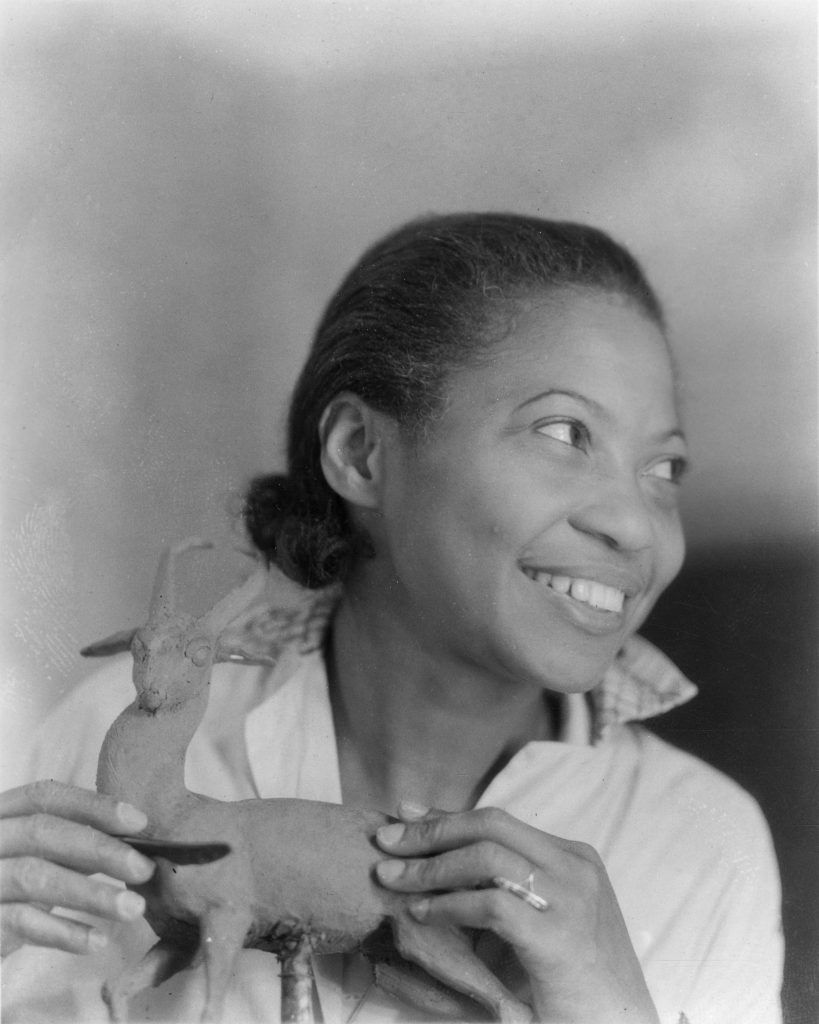
Augusta Savage

Sculptor, educator, and advocate who opened doors for generations of Black artists during the Harlem Renaissanc

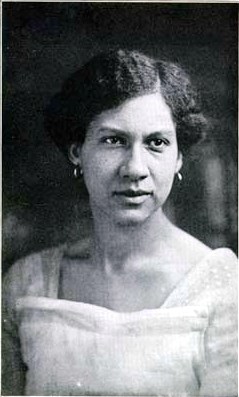
Meta Warrick Fuller

Sculptor and poet who transformed Black history, spirituality, and identity into powerful works of art.

Metawarrickfuller
Aarondouglas

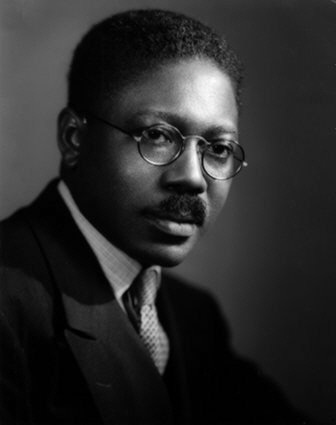
Aaron Douglas

Painter, illustrator, and educator whose bold visual style helped define the Harlem Renaissance and reshape how Black life was represented in American art.

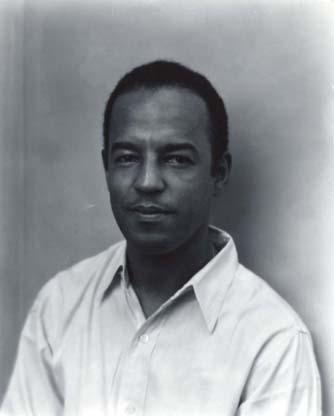
Richmond Barthé

Sculptor whose graceful, expressive figures celebrated Black identity, beauty, and the human form.

Richmondbarthe2

THE LEGACY CONTINUES

The Story Is Still Being Written

The artists who came before us opened doors, challenged narratives, and gave us new ways to see ourselves. Their work reminds us that Black creativity has never been separate from our history—it has helped shape it. And the story is still being written by the artists, creators, and visionaries carrying that legacy forward.

Scroll to Top