
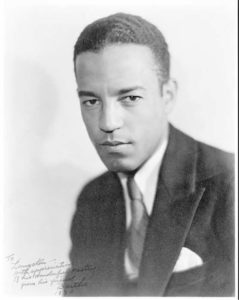
Richmond Barthé
Sculptor, Modernist & Celebrant of Black Beauty
Category
Role:
The Story
Richmond Barthé was a pioneering sculptor whose graceful, expressive figures challenged narrow representations of Black life and celebrated the beauty, dignity, and humanity of Black people. Emerging during the Harlem Renaissance, Barthé developed a distinctive sculptural style that captured movement, emotion, and the human form while bringing Black subjects to the center of American art.
Quick Facts
Born
Died
Known For
Life & Legacy Timeline
1901 — Born
Born in Bay St. Louis, Mississippi.
1920s — Moves to Chicago
Moves to Chicago and studies at the Art Institute of Chicago, initially pursuing painting before focusing increasingly on sculpture.
1928 — Moves to New York
Moves to New York and becomes connected to the Harlem Renaissance’s artistic and cultural community.
1930s — Harlem Renaissance
Creates some of his best-known figurative sculptures and becomes recognized for his portrayals of Black dancers, athletes, performers, and cultural figures.
1933 — African Dancer
Creates African Dancer, one of his most celebrated works and an important example of his interest in movement and the Black body.
1937 — Paris Exhibition
Travels to Paris and exhibits his work, further establishing his international reputation.
1940s — Major Commissions
Receives commissions for portraits and public works while continuing to explore Black identity and the human figure.
1960s — Relocates to California
Moves to California and continues working as a sculptor.
1989 — Dies
Dies in Pasadena, California, at age 88.
Legacy
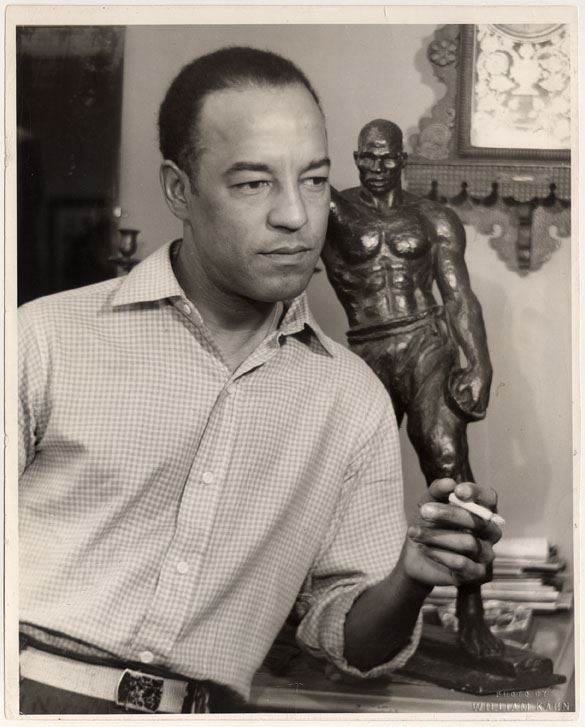
A Quote to Remember
“All my life I have been interested in trying to capture the spiritual quality I see and feel in people, and I feel that the human figure as God made it, is the best means of expressing this spirit in man.”
- Richmond Barthé
Why This Matters
Sources & Further Reading
Smithsonian American Art Museum — Richmond Barthé
Biographical and collection information about Barthé’s career and sculptures.
National Gallery of Art — Richmond Barthé
Information about Barthé’s work, artistic career, and role in American modernism.
The Metropolitan Museum of Art — Richmond Barthé
Collection information and context for Barthé’s sculpture and its relationship to Black modernism.
Archives of American Art — Richmond Barthé Papers
Archival materials documenting Barthé’s career, correspondence, exhibitions, and artistic life.
Continue Exploring
Discover more stories of Black history, courage, and resilience.
There are more stories waiting to be discovered. Explore the people, places, movements, and moments that have shaped Black history and continue to influence our world today.