
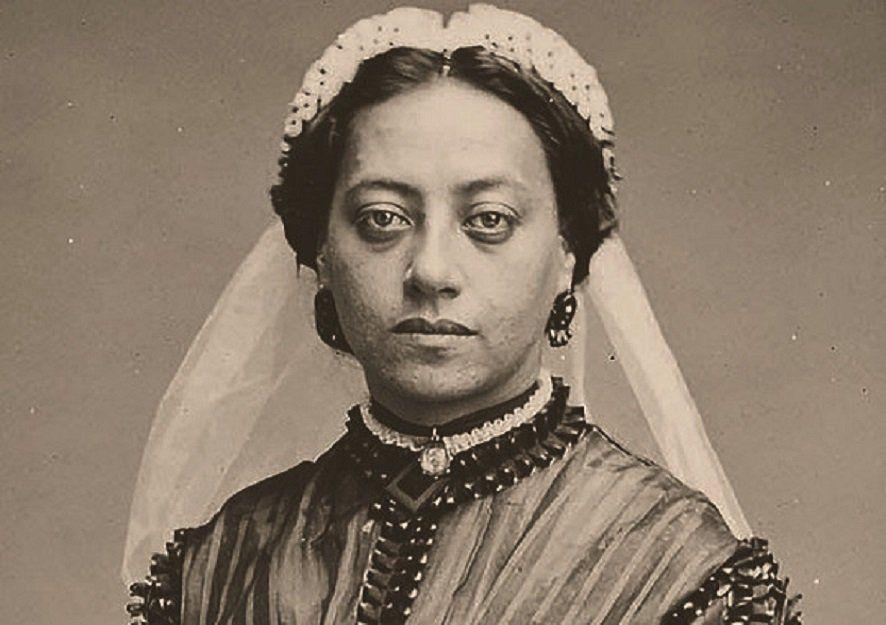
Mary Ellen Pleasant
Abolitionist, Entrepreneur & Civil Rights Pioneer
Era
Category
Role:
The Story
Mary Ellen Pleasant was a woman who understood that freedom required more than survival—it required power. Over the course of a remarkable 19th-century life, she became an abolitionist, entrepreneur, investor, philanthropist, and civil-rights activist whose influence reached across the Black communities of California.
Much of Pleasant’s early life remains contested. Accounts differ about her birthplace, family background, and whether she was born free or enslaved. What is clearer is the path she forged afterward. From her early years in New England to her arrival in Gold Rush-era California, Pleasant built businesses, invested in real estate and mining, supported abolitionist causes, and used her growing wealth to strengthen her community.
She also challenged racial discrimination directly. In San Francisco, she fought for Black people’s access to public transportation and supported efforts to expand their rights and opportunities. Her wealth gave her influence, but she understood that influence could be used for something larger than personal success. She invested in people, institutions, causes, and the struggle for freedom.
Mary Ellen Pleasant’s story is also complicated. Some of the claims surrounding her life—particularly the extent of her role in the Underground Railroad and her reported financial support of John Brown—remain debated by historians. Rather than diminishing her legacy, those complexities make her story worth examining carefully. What emerges is a portrait of a Black woman who built economic power in a hostile society and repeatedly used that power to challenge injustice.
Mary Ellen Pleasant died in San Francisco in 1904. More than a century later, her life continues to challenge us to reconsider who gets remembered as a builder, a freedom fighter, a business leader, and a force for change.
Quick Facts
Born
Died
Known For
Life & Legacy Timeline
Early Life — c. 1814–1820s
Mary Ellen Pleasant’s early life remains one of the least certain parts of her story. Accounts differ about her birthplace, parentage, and whether she was born free or enslaved. By the 1820s, however, she was in New England, where she worked in an abolitionist household and became connected to the movement against slavery.
Abolitionist Work — 1820s–1840s
As a young woman, Pleasant became involved in abolitionist networks and is believed to have assisted people seeking freedom. She later described herself as having participated in Underground Railroad activities. Historians generally agree that she was connected to antislavery work, although the precise extent of her activities remains difficult to document because she left relatively few records.
Marriage & Financial Independence — 1840s
Pleasant married James Smith, a carpenter and contractor who was also involved in abolitionist work. After his death, she received an inheritance that helped provide the financial foundation for her later business and investment activities. She married again in 1848.
Arrival in California — 1852
Pleasant traveled to San Francisco during the Gold Rush era. Her arrival placed her in a rapidly expanding city where opportunity existed alongside intense racial discrimination. She established businesses including laundries and boardinghouses, many of which employed Black workers, and began building a substantial financial base.
Building Economic Power — 1850s–1870s
Pleasant became an active investor in real estate and mining interests and acquired property in San Francisco and Oakland. She also operated businesses that connected her with some of the city’s wealthiest residents. By 1890, the census listed her occupation as “capitalist”—an unusual and revealing description of a Black woman in that era.
A Network for Freedom — 1850s
Pleasant continued her abolitionist activities in California. Sources indicate that she sheltered Archy Lee, an enslaved man who had escaped from his enslaver and was being pursued for return to Mississippi. Historians have connected Pleasant to a broader network that helped freedom seekers on the West Coast, though the full extent of that network remains difficult to reconstruct.
Support for Black Institutions — 1850s–1870s
Pleasant used her wealth to strengthen Black community life in San Francisco. She contributed to the Athenaeum Building, which served as a library and meeting place, supported the Black press, and gave to the African Methodist Episcopal Zion Church. Her philanthropy reflected her belief that economic resources could be used to build community power.
The Streetcar Fight — 1866–1868
In 1866, Pleasant was refused service by a San Francisco streetcar conductor because of her race. She took the company to court. Her case eventually reached the California Supreme Court, which ruled in 1868 that racial segregation on streetcars was unlawful. The case became an important early victory in California’s civil-rights history.
Abolitionist Connections & John Brown — 1850s
Pleasant later claimed that she had provided significant financial support to abolitionist John Brown. She reportedly told a newspaper late in life that she had helped finance his 1859 raid on Harpers Ferry. Historians have questioned the specific amount she claimed, and the extent of her financial involvement cannot be established with certainty. Her tombstone, however, bears the phrase she requested: “a friend of John Brown.”
Later Years & Controversy — 1880s–1890s
Pleasant’s later years were marked by financial disputes, public controversy, and attacks on her reputation. Her relationship with business partner Thomas Bell became the subject of litigation and sensationalized reporting. Despite these controversies, surviving financial records and historical research demonstrate that she had accumulated significant wealth and exercised considerable influence.
A Complicated Legacy — 1900s
By the end of her life, Pleasant’s reputation had been deeply shaped by both her documented accomplishments and stories that were difficult to verify. Rather than reducing her to either legend or controversy, her history invites a closer examination of the evidence and of the extraordinary barriers she overcame.
1904 — Death
Mary Ellen Pleasant died in San Francisco in January 1904. She left behind a legacy as an entrepreneur, investor, abolitionist, philanthropist, and civil-rights pioneer whose life challenged the limitations imposed on Black women in 19th-century America.
Legacy
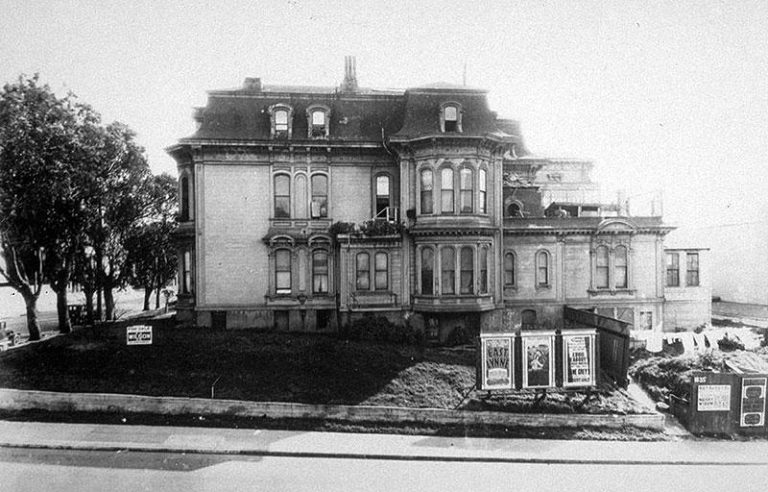
A Quote to Remember
“A friend of John Brown.”
- Mary Ellen Pleasant
Why This Matters
Sources & Further Reading
Primary & Institutional Sources
- National Park Service — Mary Ellen Pleasant biography and historical research
- California State Archives — Breaking Barriers: African Americans Shaping California
- California Supreme Court records — Pleasants v. North Beach and Mission Railroad Company (1868)
- National Park Service — Network to Freedom resources related to Mary Ellen Pleasant
Further Reading & Research
- The Fortunes of Mary Ellen Pleasant by Lynn Hudson
- Black San Francisco: The Struggle for Racial Equality in the West, 1900–1954 by Albert S. Broussard
- Mary Ellen Pleasant historical research collection and resource materials compiled by researchers at MaryEllenPleasant.com
A Note About the Historical Record
Mary Ellen Pleasant’s life has been surrounded by both documented accomplishments and stories that are difficult to verify. Where historians disagree, this story distinguishes between established evidence, Pleasant’s own accounts, and later claims or legends. Readers are encouraged to consult the primary records and institutional sources above when exploring the more contested aspects of her life.
Continue Exploring
Discover more stories of Black history, courage, and resilience.
There are more stories waiting to be discovered. Explore the people, places, movements, and moments that have shaped Black history and continue to influence our world today.