
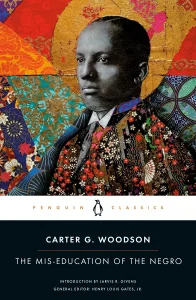
The Mis-Education of the Negro
Add Your Heading Text Here
At a Glance
Lorem ipsum dolor sit amet, consectetur adipiscing elit. Ut elit tellus, luctus nec ullamcorper mattis, pulvinar dapibus leo.Lorem ipsum dolor sit amet consectetur adipiscing elit dolor
Why This Book Matters
Black Fortunes matters because it restores a hidden chapter of American history—one where formerly enslaved African Americans not only survived freedom, but built wealth, businesses, and generational legacies against extraordinary odds.
These stories challenge the narrative that Black economic success is new or rare. Instead, they reveal a long tradition of entrepreneurship, land ownership, and strategic vision that has often been erased or overlooked.
This book reframes what Black success looks like—and who gets remembered for it.
Key Themes
Lorem ipsum dolor sit amet, consectetur adipiscing elit. Ut elit tellus, luctus nec ullamcorper mattis, pulvinar dapibus leo.
What You'll Learn
Black Fortunes offers more than historical biographies—it provides lessons in leadership, perseverance, entrepreneurship, and the importance of preserving overlooked stories. Readers will leave with a deeper understanding of how Black Americans shaped the nation’s economic history despite extraordinary obstacles.
Reflection Questions
History becomes more meaningful when we pause to reflect on what it teaches us. As you read Black Fortunes, consider these questions and how they connect to the past, the present, and the future.
About the Author
Add Your Heading Text Here
orem ipsum dolor sit amet, consectetur adipiscing elit. Ut elit tellus, luctus nec ullamcorper mattis, pulvinar dapibus leo.
- Author:
- Publication Year:
- List Item #3
- List Item
About the Author
Add Your Heading Text Here
orem ipsum dolor sit amet, consectetur adipiscing elit. Ut elit tellus, luctus nec ullamcorper mattis, pulvinar dapibus leo.
- Author:
- Publication Year:
- List Item #3
- List Item
Continue Your Journey
Every book featured by They Erase, We Elevate has been carefully selected to preserve history, amplify overlooked voices, and inspire meaningful conversations. Continue exploring books that educate, empower, and celebrate the richness of Black history and culture.